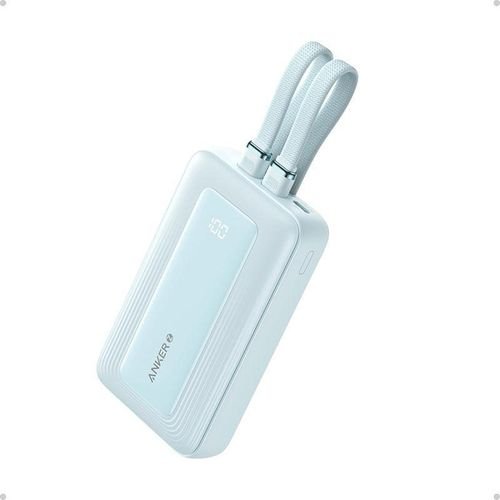
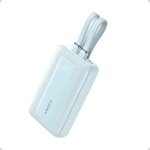

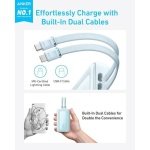
ANKER POWER BANK(10K,30W,BUILT-IN USB-C +LIGHTNING CABLE)
KSh 7,000.00
Key Features
- High-Capacity Charging: Equipped with a large battery capacity (typically 10,000mAh to 20,000mAh), offering multiple full charges for smartphones, tablets, and more.
- Fast Charging Technology: Features PowerIQ™ and VoltageBoost™ for optimized charging speed across a wide range of devices.
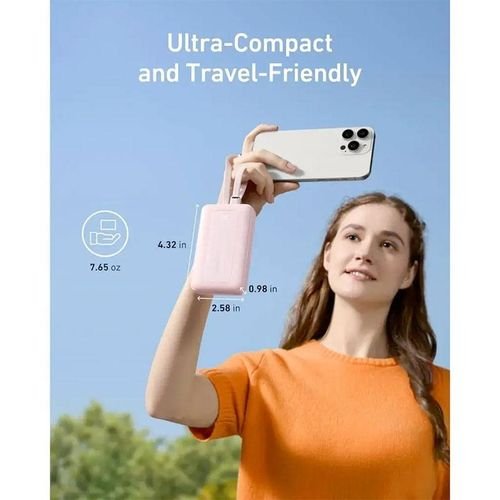
- Compact & Travel-Ready: Slim, lightweight design fits easily in your pocket or bag—ideal for travel, commutes, or emergencies.
- Superior Safety: Anker’s MultiProtect™ safety system provides temperature control, short-circuit protection, and surge protection for worry-free charging.
Introduction
In today’s fast-paced world, staying connected is more important than ever. Whether you’re a busy professional, a student, or a traveler, having a reliable power source is essential for keeping your devices charged. That’s where the Anker Power Bank comes into play. This compact and powerful device ensures that your smartphones, tablets, and other electronics remain powered throughout the day. In this comprehensive buying guide, we’ll explore everything you need to know about the Anker Power Bank, including its features, benefits, and how to choose the right model for your needs.
Understanding the Anker Power Bank and its offerings is crucial, especially in the Kenyan market where mobile connectivity is key. With a growing number of consumers relying on portable electronics, the demand for reliable power solutions has surged. This guide will provide insight into why the Anker Power Bank stands out in a competitive market and how it can enhance your daily life.
What is Anker Power Bank?
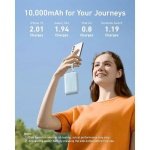
The Anker Power Bank is a portable charging device designed to provide a convenient power source for your electronic devices on the go. Anker, a well-known brand in the electronics market, specializes in high-quality charging solutions. The specific model we are discussing, the ANKER POWER BANK (10K, 30W, BUILT-IN USB-C + LIGHTNING CABLE), boasts a capacity of 10,000mAh, which is enough to charge most smartphones multiple times before needing a recharge itself.
In the context of the Kenyan market, where access to reliable electricity can sometimes be a challenge, the Anker Power Bank serves as a lifeline for many consumers. Whether you’re commuting, enjoying a day out, or facing a power outage, this power bank ensures that you stay connected. With its built-in cables, it simplifies the charging process, making it an attractive option for those who prefer convenience and efficiency.
Key Features and Benefits
The Anker Power Bank is packed with features that cater to the needs of modern consumers. Here’s a breakdown of its key features and the real-world benefits they offer:
1. High Capacity
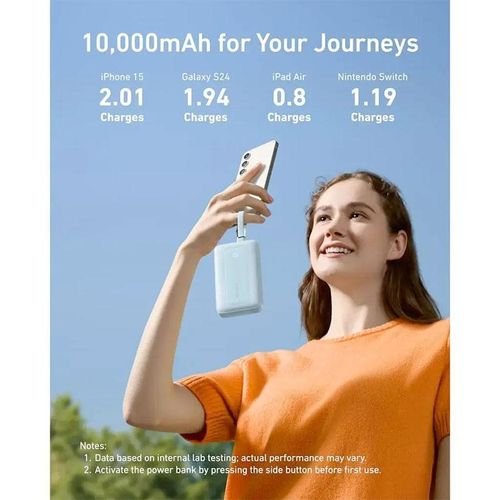
- 10,000mAh Capacity: This capacity allows you to charge your smartphone up to three times or provide a full charge to a tablet, making it perfect for long travels or busy days. In Kenya, where power supply can be inconsistent, having a high-capacity power bank means you can rely on it during extended outings or in areas with limited access to electricity.
2. Fast Charging Technology
- 30W Output: The power bank supports fast charging, allowing you to charge your devices quickly. This is especially beneficial for those on the go who need their devices charged in a hurry. In a country like Kenya, where time is often of the essence, the speed of charging can significantly enhance your productivity.
3. Built-in Cables
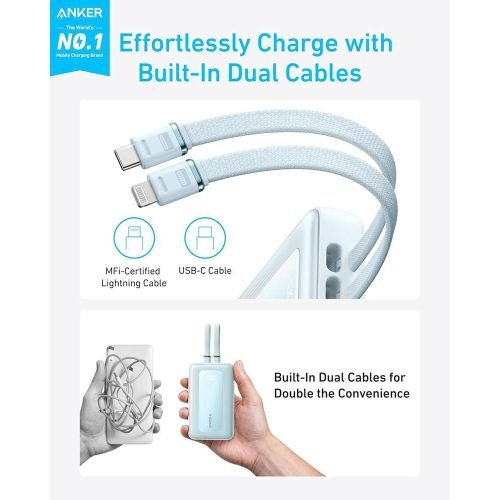
- USB-C and Lightning Cables: The inclusion of built-in cables means you don’t need to carry extra cords, reducing clutter and enhancing portability. This feature is particularly useful in urban areas like Nairobi, where convenience is key for busy commuters and travelers.
4. Compact Design
- Sleek and Lightweight: The Anker Power Bank is designed to be easily portable, fitting comfortably in your bag or pocket, making it ideal for everyday use. Its lightweight design is perfect for students and professionals who are always on the move.
5. Multi-Device Compatibility
- Universal Compatibility: It works with a wide range of devices, including smartphones, tablets, and other USB-powered gadgets, making it a versatile charging solution. This is particularly advantageous in Kenya, where users may own multiple devices that require charging.
6. Safety Features
- Advanced Safety Technology: Built-in safeguards protect against overcharging, overheating, and short-circuiting, ensuring safe usage. This is crucial for users in regions where power surges can damage electronic devices.
These features not only enhance the functionality of the Anker Power Bank but also provide peace of mind to users, knowing that they have a reliable power source whenever they need it.
Models and Variants
The Anker Power Bank comes in various models and configurations, catering to different consumer needs. Here are some popular variants you might consider:
1. Anker PowerCore 10000
- Capacity: 10,000mAh
- Output: 30W
- Features: Built-in USB-C and Lightning cables, compact design
2. Anker PowerCore Slim 10000
- Capacity: 10,000mAh
- Output: 12W
- Features: Slim profile for easy portability, lightweight design
3. Anker PowerCore+ 26800
- Capacity: 26,800mAh
- Output: 30W
- Features: High capacity for multiple charges, USB-C input/output
When choosing a model, consider your specific needs such as how often you travel, the number of devices you need to charge, and your preference for portability versus capacity. The Anker Power Bank offers a solution for everyone, from casual users to heavy travelers.
How to Choose the Right One
Selecting the right Anker Power Bank can seem daunting with so many options available. Here are some key factors to consider when making your purchase:
1. Capacity Needs
Determine how much power you need based on your device usage. If you frequently charge multiple devices or larger devices like tablets, opt for a higher capacity power bank. For instance, the Anker PowerCore+ 26800 is ideal for heavy users who may need to charge multiple devices throughout the day.
2. Portability
If you’re often on the move, consider the weight and size of the power bank. Models like the Anker PowerCore Slim 10000 are designed for portability, making them easy to carry without adding extra bulk to your bag.
3. Charging Speed
Look for power banks with fast charging capabilities, especially if you’re in a hurry. The Anker Power Bank with 30W output is ideal for quick top-ups, allowing you to get back to using your devices sooner.
4. Number of Ports
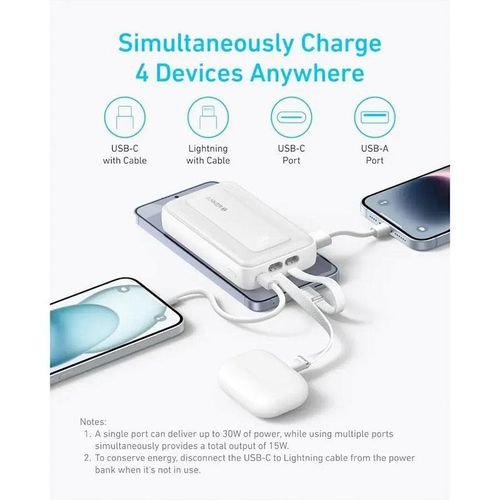
Consider how many devices you need to charge simultaneously. Some models offer multiple USB ports, allowing you to charge more than one device at a time. This is particularly useful for families or groups traveling together.
5. Built-in Cables vs. Separate Cables
Decide if you prefer a power bank with built-in cables for convenience or a model that allows you to use your own cables. Built-in cables can reduce the hassle of carrying extra cords, which is advantageous for people constantly on the move.
6. Safety Features
Ensure that the power bank has safety features to protect your devices. Look for models that include overcharge protection, short-circuit protection, and temperature control. Given the variability of power supply in some areas of Kenya, these features can help safeguard your devices from potential damage.
By considering these factors, you can choose an Anker Power Bank that best fits your lifestyle and charging needs, ensuring that you stay powered throughout your day.
Pros and Cons
Like any product, the Anker Power Bank has its advantages and disadvantages. Here’s a balanced assessment:
Pros
- Reliable Performance: Known for its durability and efficiency, Anker products are highly regarded for their performance, making them a trusted choice for consumers.
- Fast Charging: The 30W output allows for quick charging, which is a significant advantage for busy individuals who need to maximize their time.
- Compact Design: Easy to carry, making it perfect for travel and daily use, especially in urban settings where space is at a premium.
- Safety Features: Built-in safety mechanisms provide peace of mind when charging devices, essential for users concerned about device longevity.
- Versatility: Compatible with a wide range of devices, making it a great all-in-one solution for tech-savvy users.
Cons
- Price Point: At KSh 7000, it may be considered expensive compared to other brands, but the quality justifies the price. Users should weigh the cost against the reliability and performance offered.
- Limited Capacity in Some Models: For heavy users, the 10,000mAh capacity may not be sufficient, especially for those who rely on multiple devices throughout the day.
- Charging Time: While it charges devices quickly, recharging the power bank itself can take some time, which may be a consideration for users who are frequently on the go.
Overall, the benefits of the Anker Power Bank outweigh the drawbacks, making it a worthwhile investment for anyone in need of reliable portable power.
vs Top Competitors
The Anker Power Bank faces competition from various brands in the portable charging market. Here’s how it compares to some of its top competitors:
1. Xiaomi Power Bank 3
- Capacity: Available in both 10,000mAh and 20,000mAh options, making it suitable for users with varying needs.
- Price: Generally lower than Anker, but lacks some of the premium features such as built-in cables, which can be a dealbreaker for some users.
- Charging Speed: Comparable charging speeds, but may not have the same fast charging technology as Anker, especially at higher outputs.
2. RAVPower Power Bank
- Capacity: Offers various capacities, including 20,000mAh, catering to users who need more power.
- Price: Similar price range, often with additional features such as wireless charging capabilities.
- Charging Speed: Competitive, but may not match Anker’s fast charging technology, especially in the higher-end models.
3. Aukey Power Bank
- Capacity: Also offers a range of capacities, including high-capacity options up to 30,000mAh.
- Price: Often slightly cheaper, but may compromise on build quality and performance compared to Anker.
- Charging Speed: Offers decent charging speeds, but Anker is typically faster, particularly in the 30W output range.
While there are several competitors in the market, the Anker Power Bank consistently excels in build quality, performance, and customer satisfaction, making it a preferred choice for many. Its combination of safety features, fast charging capabilities, and compact design make it particularly appealing to Kenyan consumers who lead busy lifestyles.
Tips for Maximum Value
To get the most out of your Anker Power Bank, consider the following tips:
- Regularly Charge the Power Bank: Ensure that your power bank is charged regularly to maintain its battery health and ensure it’s ready when you need it. This is especially important in regions with unreliable power supply.
- Use Compatible Cables: While it has built-in cables, using high-quality cables can enhance charging efficiency and speed, ensuring that your devices charge quickly and safely.
- Store in a Cool, Dry Place: Avoid exposing the power bank to extreme temperatures to prolong its lifespan. High temperatures can degrade battery performance, especially in hot climates.
- Optimize Device Settings: To conserve battery life on your devices, reduce screen brightness and close unnecessary applications while charging. This can help you get the most out of your power bank’s capacity.
- Consider Buying in Bulk: If you’re purchasing for a family or team, consider buying multiple units for potential discounts. Many retailers offer deals for bulk purchases, which can save you money.
By following these tips, you can ensure that your Anker Power Bank remains a valuable asset in your tech arsenal, providing reliable power whenever you need it.
Frequently Asked Questions
1. How long does it take to fully charge the Anker Power Bank?
The charging time for the Anker Power Bank can vary based on the power source used. Typically, it takes about 5-6 hours to fully charge using a wall charger. Using a standard USB port may take longer, so it’s advisable to use a higher wattage charger for faster results.
2. Can the Anker Power Bank charge multiple devices at once?
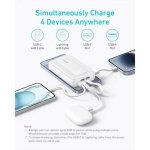
Yes, the Anker Power Bank can charge multiple devices simultaneously, depending on the model. The built-in cables allow you to charge two devices at the same time, making it convenient for users with multiple gadgets, such as a smartphone and a tablet.
3. Is the Anker Power Bank safe to use?
Absolutely! The Anker Power Bank comes with advanced safety features that protect against overcharging, overheating, and short-circuiting, ensuring safe operation. This is particularly important for users in areas where power surges are common.
4. Can I use the Anker Power Bank while it’s charging?
Yes, you can use the Anker Power Bank while it is charging itself. However, this may lead to slower charging speeds for the power bank itself, so it’s best to charge it when you don’t need to use it.
5. How do I know when the Anker Power Bank is fully charged?
The Anker Power Bank typically has LED indicators that show the battery level. Once fully charged, the lights will indicate a full charge, allowing you to know when it’s ready for use.
6. Is there a warranty for the Anker Power Bank?
Yes, Anker offers a warranty for their products, typically covering defects in materials and workmanship. Be sure to check the specific warranty details for your model, as it can vary by region and retailer.
7. Where can I buy the Anker Power Bank in Kenya?
You can purchase the Anker Power Bank from various online retailers, electronics stores, or directly from Anker’s website, ensuring you get an authentic product. Popular online platforms like Jumia and Kilimall often have competitive prices and deals.
8. What should I do if my Anker Power Bank isn’t charging?
If your Anker Power Bank isn’t charging, first check the charging cable and power source for any issues. Ensure that the cables are securely connected and that the power source is functioning. If the problem persists, try using a different charging cable or wall adapter. Additionally, inspect the power bank for any signs of damage or wear. If it still does not charge, consider contacting Anker’s customer support for assistance.
Final Verdict
In conclusion, the Anker Power Bank is a reliable and efficient solution for anyone in need of portable power. With its impressive features, safety mechanisms, and user-friendly design, it stands out as a top choice in the Kenyan market. Whether you’re commuting to work, traveling, or simply need a backup power source, the Anker Power Bank is designed to meet your needs.
At a price of KSh 7000, it offers great value considering its performance and durability. If you’re looking for a dependable power bank that can keep your devices charged and ready, the Anker Power Bank is undoubtedly worth considering. Don’t miss out on the opportunity to enhance your mobile experience—invest in an Anker Power Bank today and stay connected wherever you go!
Alternative Products
- ANKER POWER CORE 26800 POWER BANK - KSh 12,000.00
- ANKER POWERCORE SELECT 20,000mAh - KSh 8,800.00
- ANKER 325 POWER BANK(POWERCORE 20K PRO) - KSh 7,000.00
- ANKER ULTRA COMPACT DESIGN (APPLE WATCH) POWER BANK - KSh 13,500.00
- ANKER POWER BANK (10K,30W,BUILT-IN USB-C CABLE) - KSh 6,000.00
Related products