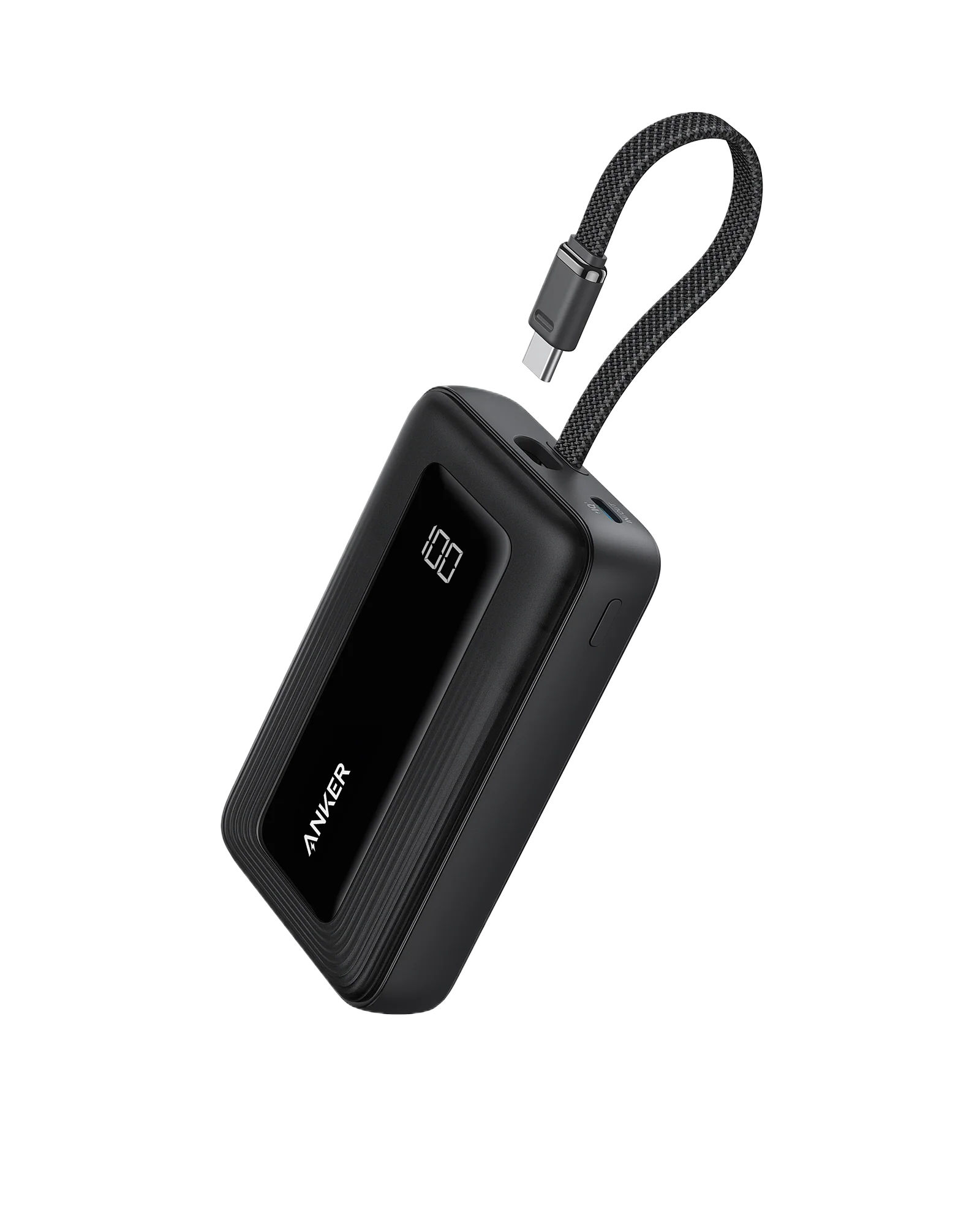

ANKER POWER BANK (10K,30W,BUILT-IN USB-C CABLE)
KSh 6,000.00
Key Features
-
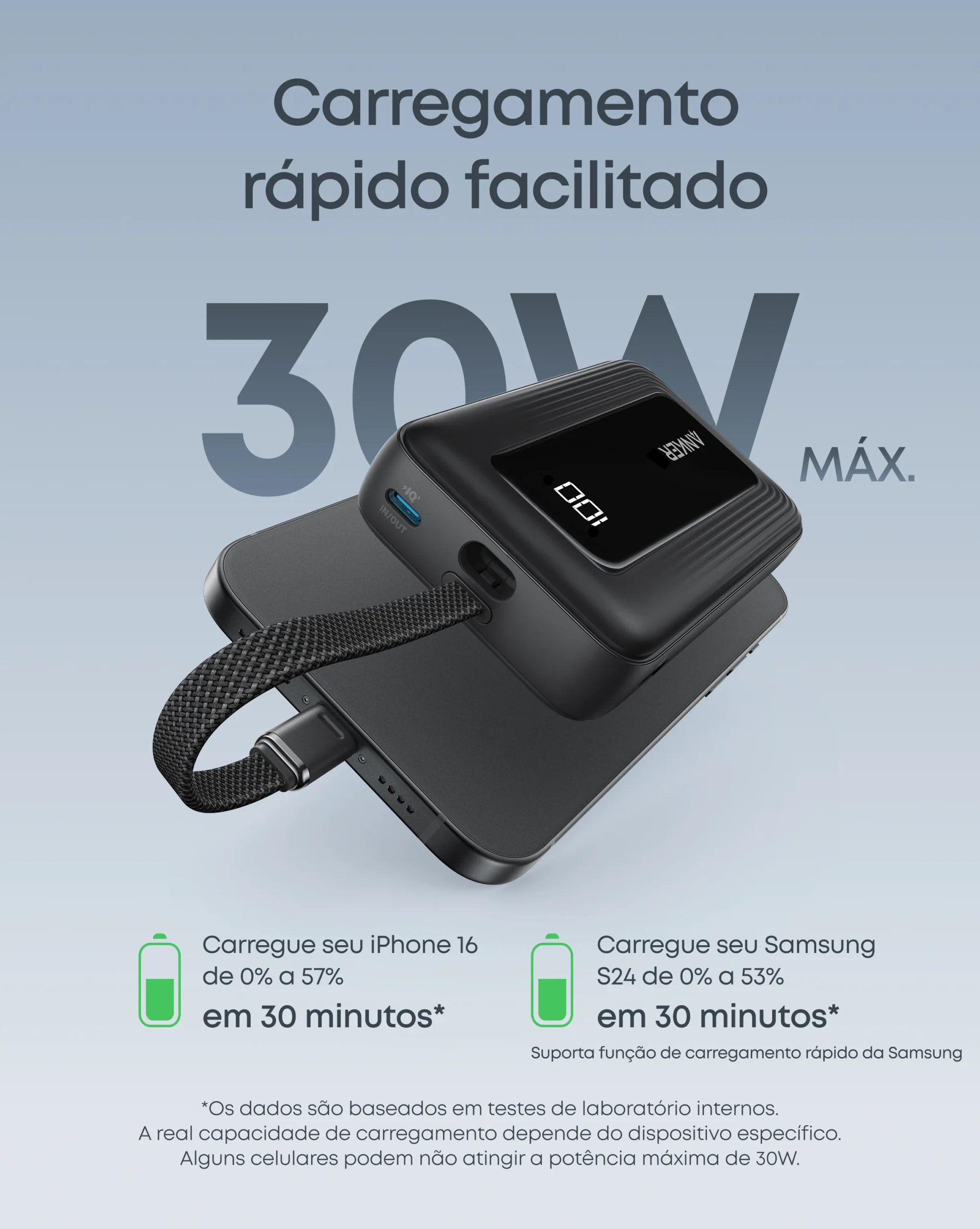
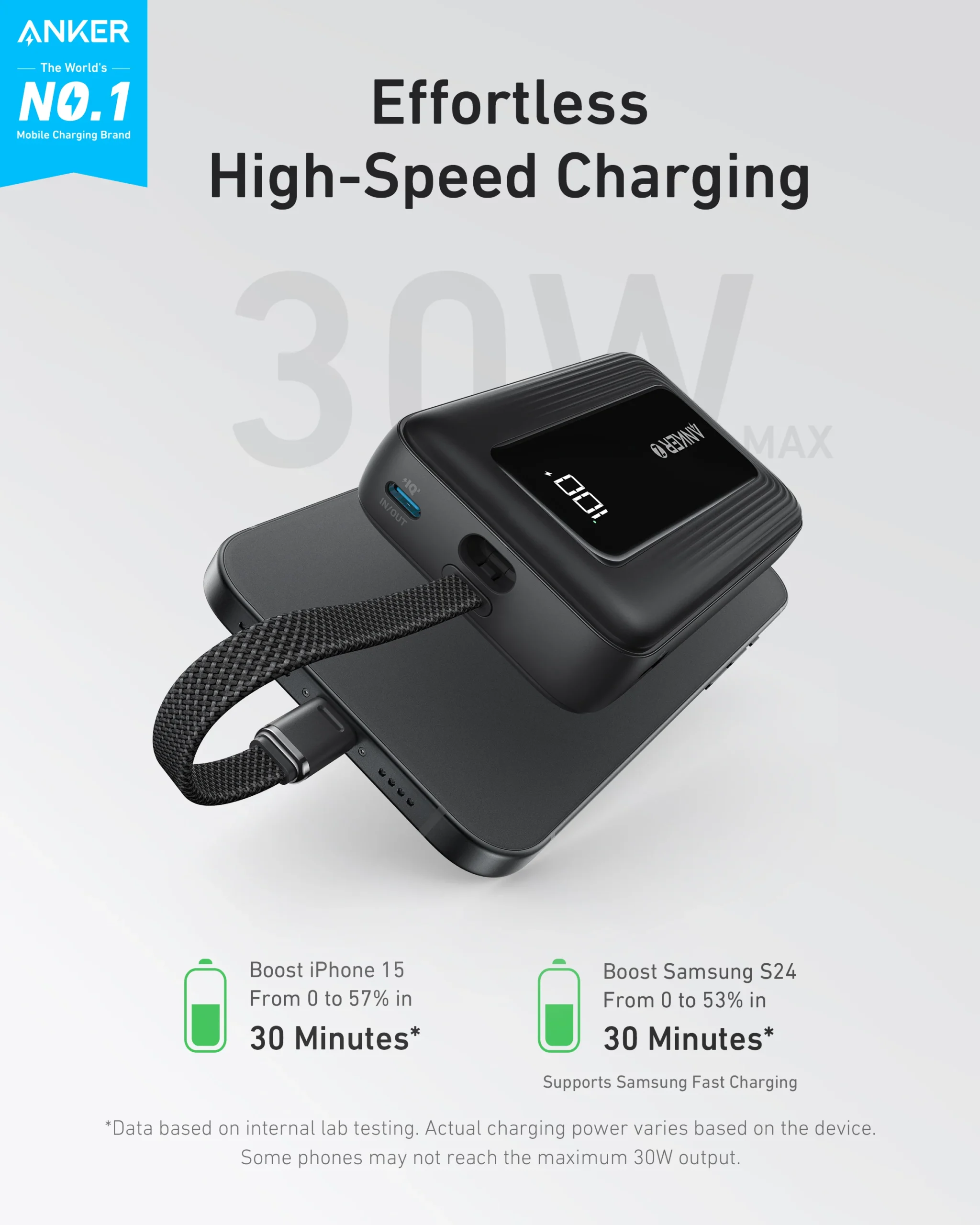
Speedy 30W Charging
-
Ready for Endless Use
-
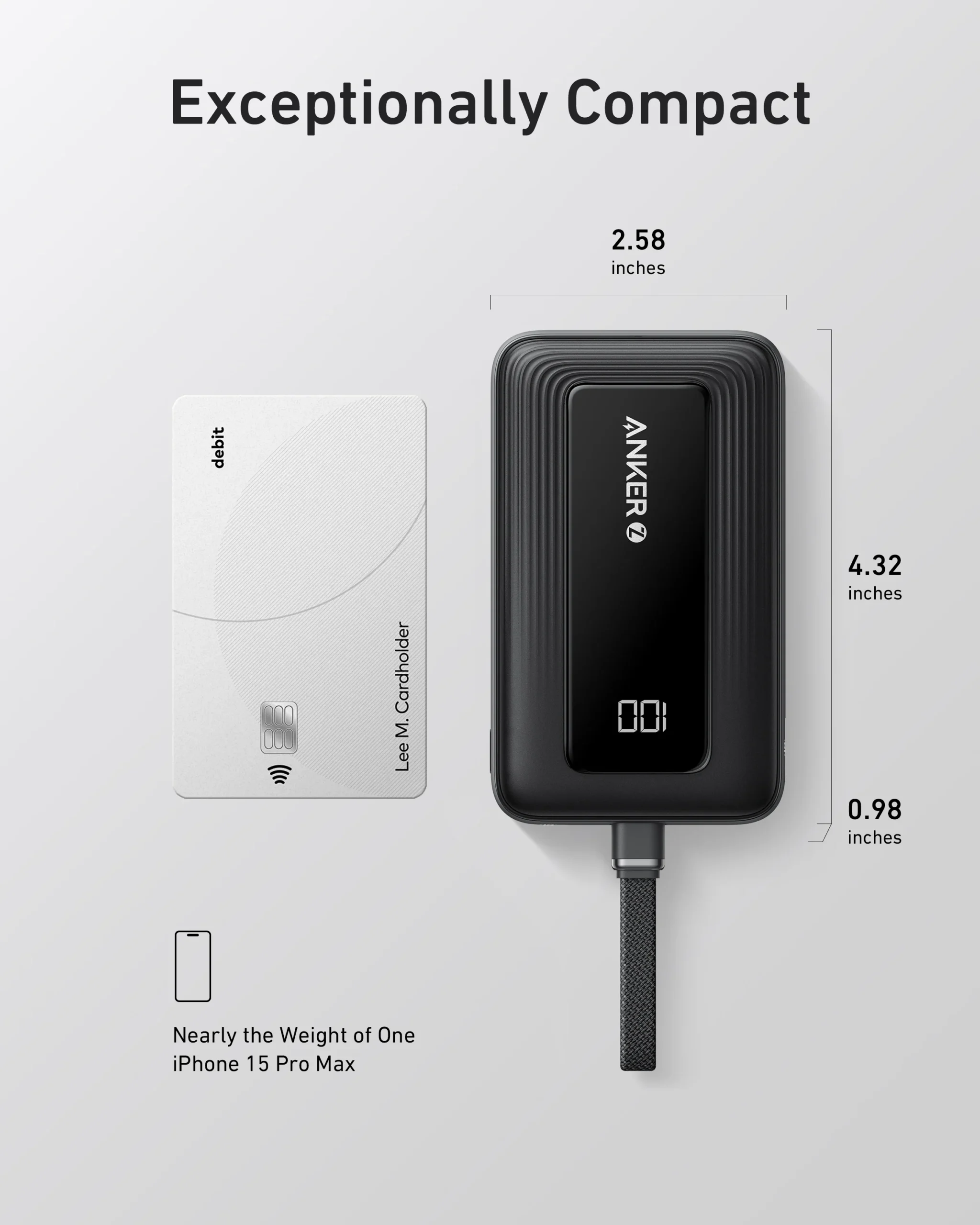
Mighty Compact Power
-
30W Bi-Directional Charging
Introduction
In today’s fast-paced world, staying connected is more important than ever. Whether you’re a busy professional, a student, or a traveler, having a reliable power source for your devices is crucial. Enter the Anker Power Bank—a premium solution designed to keep your gadgets charged on the go. This comprehensive buying guide will delve into everything you need to know about the Anker Power Bank, ensuring you make an informed purchase that meets your needs.
With a monthly search volume of 1200, it’s clear that many Kenyans are looking to invest in portable charging solutions. This guide matters because it not only highlights the features and benefits of the Anker Power Bank but also provides insights into the local market, helping you navigate your options effectively. By the end of this guide, you’ll understand why the Anker Power Bank is a worthy addition to your tech arsenal.
What is Anker Power Bank?
The Anker Power Bank is a portable battery charger designed to provide power to your devices when you’re away from traditional power sources. Known for its high-quality build and reliability, Anker has established itself as a leading brand in the portable charging market. The specific model we’re focusing on today is the ANKER POWER BANK (10K, 30W, Built-in USB-C Cable), which offers a capacity of 10,000mAh, making it capable of charging most smartphones multiple times before needing a recharge itself.
In terms of market context, the demand for power banks in Kenya has surged due to the increasing reliance on smartphones and other electronic devices. With frequent power outages and the growing trend of remote work and learning, Kenyans are seeking solutions that can keep their devices charged without being tethered to a wall outlet. The Anker Power Bank stands out in this competitive landscape, as it combines performance, portability, and user-friendly features.
Moreover, the rise of social media, online education, and remote work has amplified the need for reliable power sources. In urban areas, where the hustle and bustle often lead to a lack of time for charging devices, the Anker Power Bank serves as a lifesaver, ensuring that you can stay connected no matter where you are.
Key Features and Benefits
The Anker Power Bank is packed with features that make it an excellent choice for consumers. Here’s a detailed breakdown of its key features and the real-world benefits they offer:
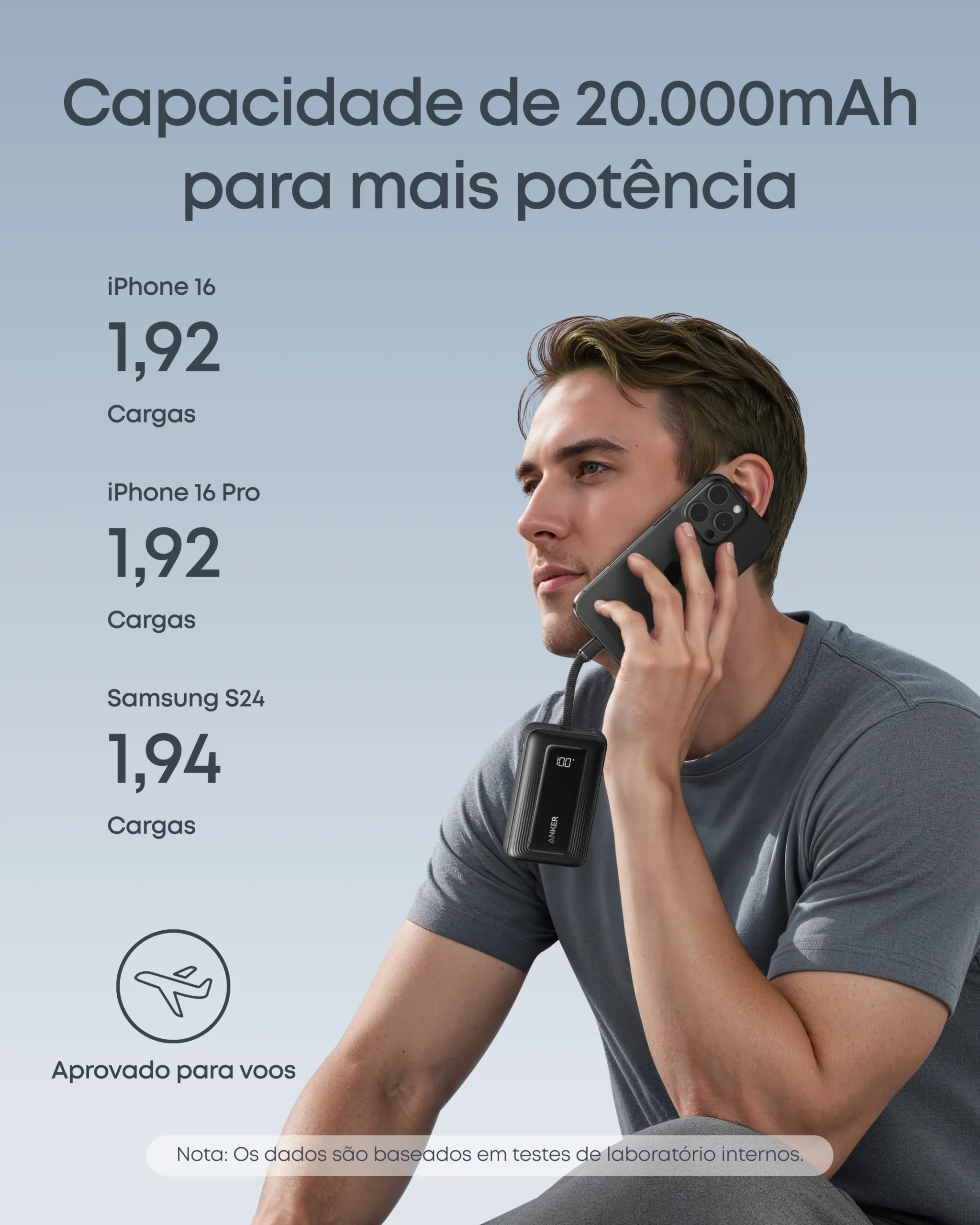
- High Capacity: With a 10,000mAh capacity, this power bank can charge most smartphones up to three times. This is especially beneficial for Kenyans who rely heavily on their devices for communication and work. For instance, if you have a smartphone with a 3,000mAh battery, you can expect 2-3 full charges, allowing you to stay connected throughout the day.
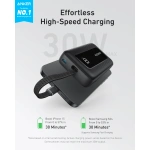
- 30W Output: The Anker Power Bank supports fast charging with a 30W output. This means you can quickly recharge your devices, minimizing downtime, which is crucial for busy professionals and students. Fast charging is particularly advantageous when you need a quick boost before heading out.
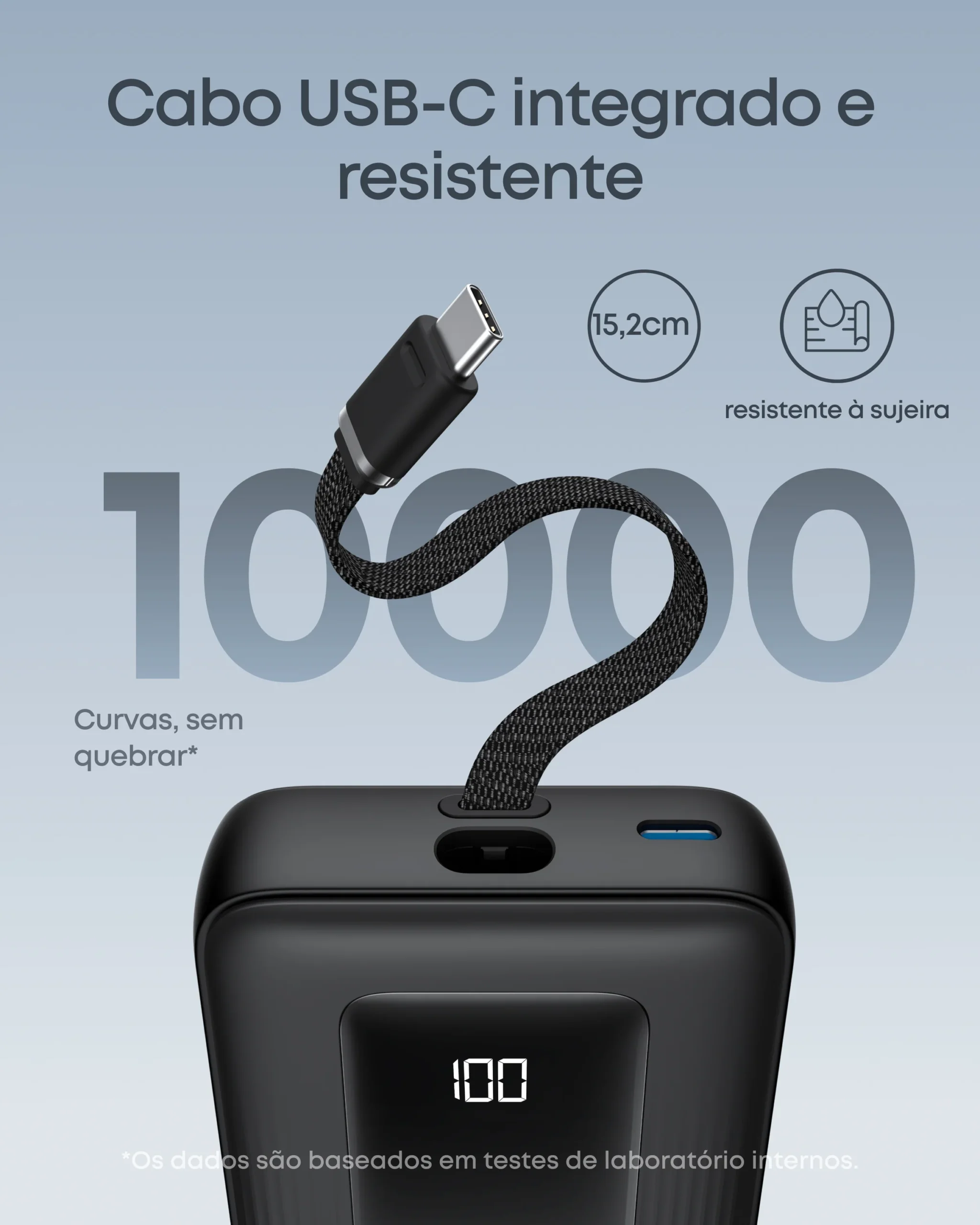
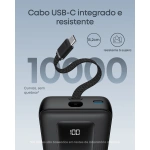
- Built-in USB-C Cable: The convenience of a built-in cable eliminates the need to carry extra cords. This feature is particularly useful for those who often travel or commute, as it reduces clutter in bags and pockets. It also ensures that you always have a charging cable on hand, preventing the frustration of forgetting your cables at home.
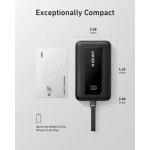
- Compact Design: Weighing just a few hundred grams, the Anker Power Bank is lightweight and portable. It easily fits into a handbag or backpack, making it ideal for on-the-go use. Its sleek design also means it won’t take up much space, making it a practical addition to your travel essentials.
- Multiple Charging Ports: This power bank typically comes with multiple output ports, allowing you to charge multiple devices simultaneously. This is advantageous for families or groups traveling together, as everyone can keep their devices powered without needing multiple chargers.
- Safety Features: Anker incorporates advanced safety features, including surge protection and temperature control, ensuring that your devices are charged safely without the risk of damage. This peace of mind is invaluable, especially when using the power bank for sensitive devices like tablets and laptops.
In summary, the Anker Power Bank not only offers high capacity and fast charging but also emphasizes convenience and safety, making it a reliable choice for Kenyan consumers. Its ability to keep multiple devices charged and ready for use aligns perfectly with the fast-paced lifestyle that many Kenyans lead today.
Models and Variants
The Anker Power Bank comes in various models and configurations to suit different consumer needs. Here are some notable variants:
- Anker PowerCore 10K: This is the specific model we are focusing on, featuring a 10,000mAh capacity and 30W output. It’s perfect for everyday use, whether you’re commuting to work or enjoying a day out.
- Anker PowerCore Slim 10000: A slimmer version of the 10K, it offers the same capacity but in a more compact design, ideal for users who prioritize portability. This model is perfect for students who need to carry their chargers in their backpacks without adding bulk.
- Anker PowerCore+ 26800: For those needing even more power, this model boasts a massive 26,800mAh capacity, suitable for charging laptops and multiple devices over extended periods. It’s an excellent choice for tech-savvy professionals or anyone who spends long hours away from a power source.
- Anker PowerCore Lite 10000: A budget-friendly option that still provides reliable performance, making it a great entry-level choice for those new to power banks. This model is particularly appealing for first-time buyers or those on a tighter budget.
Each model caters to different user preferences and charging needs, ensuring that there is an Anker Power Bank suitable for everyone. Understanding the differences among these models can help you make a more informed decision based on your specific requirements, whether you’re a casual user or a heavy tech user.
How to Choose the Right One
Choosing the right Anker Power Bank involves considering several key factors to ensure it meets your specific needs. Here are some criteria to help guide your decision:
- Capacity: Determine how much battery capacity you need. If you frequently use your phone throughout the day, a power bank with at least 10,000mAh is recommended. For heavier users or those with multiple devices, consider higher-capacity options like the 26,800mAh model. Think about your daily routine and how often you might need to charge your devices.
- Output Power: Look for a power bank with sufficient output power for fast charging. The 30W output of the Anker model is excellent for quickly charging smartphones and tablets. If you plan to charge a laptop, ensure the power bank supports the necessary wattage, as some laptops may require more power.
- Portability: If you travel often or commute daily, consider the weight and size of the power bank. Models like the Anker PowerCore Slim are designed for portability without sacrificing performance. Evaluate how much space you have in your bag and whether you prefer a lightweight option.
- Charging Ports: Evaluate how many devices you need to charge at once. A power bank with multiple output ports is beneficial for families or groups traveling together. This feature allows you to charge your phone while someone else charges their tablet, enhancing convenience.
- Built-in Cables vs. Separate Cables: Consider whether you prefer a power bank with built-in cables for convenience or one that allows you to use your own cables. Built-in cables can reduce clutter, while separate cables may offer more flexibility for different devices. Think about your charging habits and which option aligns best with your lifestyle.
- Budget: The Anker Power Bank is priced at KSh 6000, which is reasonable considering its features and performance. Determine your budget and compare it to the features offered by different models. Remember that investing in a quality power bank can save you money in the long run by prolonging the life of your devices.
By considering these factors, you can select the Anker Power Bank that best suits your lifestyle and charging needs. Evaluating your daily habits and device usage will help you make a choice that enhances your connectivity without the worry of running out of battery.
Pros and Cons
Like any product, the Anker Power Bank has its strengths and weaknesses. Here’s a balanced assessment:
Pros:
- Reliable Performance: Users consistently praise Anker products for their durability and reliability, making them a trusted choice. Many reviews highlight the longevity of the power bank, even after repeated use.
- Fast Charging Capability: The 30W output allows for quick charging of devices, saving you time. This feature is particularly beneficial during busy days when every minute counts.
- Compact and Lightweight: Its design makes it easy to carry around, making it perfect for travel or daily use. Many users appreciate how it fits seamlessly into their bags without adding extra weight.
- Built-in USB-C Cable: The convenience of not needing to carry additional cables is a significant advantage. This feature is especially useful for those who often forget their cables at home or in the office.
Cons:
- Price Point: While KSh 6000 is competitive, some budget-conscious consumers may find it slightly higher than other brands. However, many users argue that the quality justifies the price.
- Limited Capacity Options: For users needing to charge laptops or multiple devices for extended periods, the 10,000mAh capacity may not suffice. Those who frequently travel for work may want to consider higher-capacity models.
Overall, the benefits of the Anker Power Bank far outweigh the drawbacks, making it a solid investment for those seeking reliable portable power. The combination of performance, safety features, and user-friendly design makes it a standout choice in the market.
vs Top Competitors
When considering a purchase, it’s essential to compare the Anker Power Bank with its top competitors. Here’s how it stacks up against similar products:
- RAVPower 10000mAh Power Bank: Similar in capacity and price, the RAVPower offers multiple charging ports and fast charging. However, it lacks the built-in cable feature, making the Anker Power Bank more convenient for on-the-go users. Many users prefer Anker for its reliability and customer service.
- Xiaomi Mi Power Bank 3: Priced slightly lower, the Xiaomi model has a sleek design and good performance. However, it does not provide the same level of safety features as Anker, which could be a concern for some users. Anker’s reputation for safety is a significant consideration for many buyers.
- AUKEY 10000mAh Power Bank: Another competitor in the same price range, AUKEY offers good performance but lacks the compact design and built-in cable of the Anker Power Bank. Users often cite Anker’s superior customer support as a deciding factor.
- Romoss 30000mAh Power Bank: While this model offers a much higher capacity, it is bulkier and less portable than the Anker. Additionally, the price point is significantly higher, making it less accessible for casual users.
In conclusion, while there are several alternatives available, the Anker Power Bank stands out for its reliability, convenience, and robust safety features, making it a top choice for Kenyan consumers. The combination of features and performance at a competitive price point positions Anker as a leader in the portable charging market.
Tips for Maximum Value
To get the most out of your Anker Power Bank, consider these tips:
- Charge Regularly: To maintain battery health, charge your power bank regularly, especially if you don’t use it often. This practice can prolong the lifespan of the battery and ensure it’s ready when you need it.
- Use the Right Cables: Utilize high-quality cables to ensure efficient charging. The built-in USB-C cable is excellent for convenience, but always have a backup if needed. Using inferior cables can lead to slower charging times and may even damage the power bank over time.
- Keep It Cool: Avoid exposing your power bank to extreme temperatures, as this can affect its performance and lifespan. Store it in a cool, dry place when not in use to ensure optimal performance.
- Optimize Charging: When charging multiple devices, prioritize charging those with lower battery levels first to maximize efficiency. This strategy can help ensure that all devices receive a sufficient charge before you need to leave.
- Take Advantage of Sales: Keep an eye out for promotions and discounts, especially during shopping holidays, to save money on your purchase. Many retailers offer seasonal sales, and Anker products are often included in these promotions.
- Read User Reviews: Before making a purchase, check out reviews from other users to gain insights into real-world performance and reliability. User feedback can provide valuable information about potential issues or advantages you might not have considered.
By following these tips, you can ensure that your Anker Power Bank serves you well for years to come. Proper maintenance and mindful usage can significantly enhance your experience and the longevity of your device.
Frequently Asked Questions
1. How long does it take to charge the Anker Power Bank?
The charging time of the Anker Power Bank depends on the power source you use. Using a 30W charger, it takes approximately 5-6 hours to fully charge the power bank. If you use a lower wattage charger, it may take longer.
2. Can I charge my laptop with the Anker Power Bank?
Yes, the Anker Power Bank can charge laptops that support USB-C charging, provided the device’s power requirement is within the 30W output limit. This feature is particularly useful for ultrabooks and other portable devices.
3. How many times can the Anker Power Bank charge my smartphone?
With a capacity of 10,000mAh, the Anker Power Bank can charge most smartphones 2-3 times, depending on the phone’s battery size and usage. For instance, a phone with a 4,000mAh battery could expect to be charged about twice.
4. Is it safe to use the Anker Power Bank overnight?
Yes, the Anker Power Bank includes built-in safety features like surge protection, making it safe to use overnight. However, it’s always advisable to monitor the charging process, especially if you’re charging multiple devices.
5. Does the Anker Power Bank come with a warranty?
Yes, Anker typically offers a warranty on their products, including the Anker Power Bank. Check the specific warranty details when purchasing, as they can vary by retailer.
6. Can I use the Anker Power Bank while it’s charging?
Yes, you can use the Anker Power Bank to charge devices while it is being charged itself. This pass-through charging feature is convenient for multi-tasking, allowing you to keep your devices powered while the power bank itself is recharging.
7. What devices are compatible with the Anker Power Bank?
The Anker Power Bank is compatible with a wide range of devices, including smartphones, tablets, and laptops that support USB charging. Always check the power requirements of your device before use to ensure compatibility.
8. How do I maintain my Anker Power Bank?
To maintain your Anker Power Bank, charge it regularly, avoid exposing it to extreme temperatures, and use high-quality cables for charging. Additionally, store it in a cool, dry place when not in use to prolong its lifespan.
Final Verdict
In conclusion, the Anker Power Bank is a reliable and efficient solution for anyone in need of portable power. With its high capacity, fast charging capabilities, and user-friendly features, it is well-suited for the Kenyan market, where staying connected is essential. Priced at KSh 6000, it offers excellent value for money considering its performance and durability.
If you’re looking for a power bank that combines convenience with reliability, the Anker Power Bank is undoubtedly a top contender. Don’t miss out on the opportunity to enhance your mobile experience—invest in the Anker Power Bank today and stay charged wherever you go!
Alternative Products
- ANKER ZOLO NO.1 BUILT IN USB C CABLE POWER BANK - KSh 9,000.00
- ANKER PRIME FAST CHARGING POWER BANK - KSh 12,000.00
- ANKER ULTRA FAST CHARGING POWER BANK - KSh 9,500.00
- ANKER POWER BANK(10K,30W,BUILT-IN USB-C +LIGHTNING CABLE) - KSh 7,000.00
- ANKER SUPER SLIM POWER BANK - KSh 10,000.00
Related products